Bridging the AI Gap: Overcoming Implementation Hurdles in the Modern Workplace
Jan 6, 2026
Ella
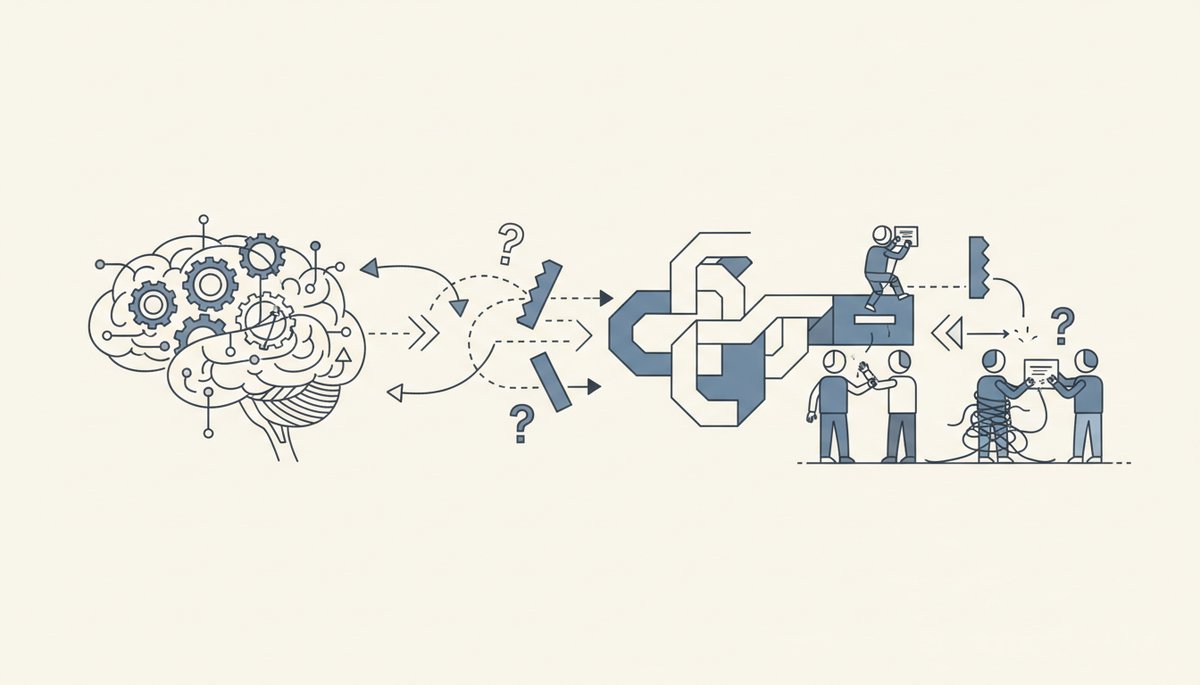
Facing AI implementation challenges at work? Learn how to bridge the AI gap! This blog tackles common hurdles and offers actionable strategies for seamless inte
AI is the buzzword of the decade, promising unprecedented efficiency, innovation, and even a glimpse into a science fiction future made real. But for many businesses, the reality is a frustrating disconnect between aspiration and actual implementation. Endless meetings, significant investments, and yet the promised AI revolution feels more like a slow, sputtering engine. Are you experiencing this "AI Gap," where the potential of artificial intelligence feels perpetually out of reach?
The core problem lies in the gap between the hype surrounding AI adoption and the often-difficult realities of AI integration. Businesses frequently operate with a patchwork of disconnected systems, making it incredibly challenging to weave AI seamlessly into existing workflows. This digital fragmentation hinders the ability to collect, analyze, and utilize data effectively, ultimately stifling the potential of even the most sophisticated AI solutions.
Our recent survey of 1,000 professionals responsible for productivity software decisions revealed a powerful paradox: a strong desire for AI workflow automation is often hampered by the very real struggle of making it work with existing tools. This article explores the key roadblocks hindering AI adoption and provides actionable strategies for navigating these challenges, enabling you to unlock the true potential of AI within your organization and truly shape the future of work. We will show that having a solid AI strategy is the key.
The Allure of AI: Why the Future of Work Depends on It
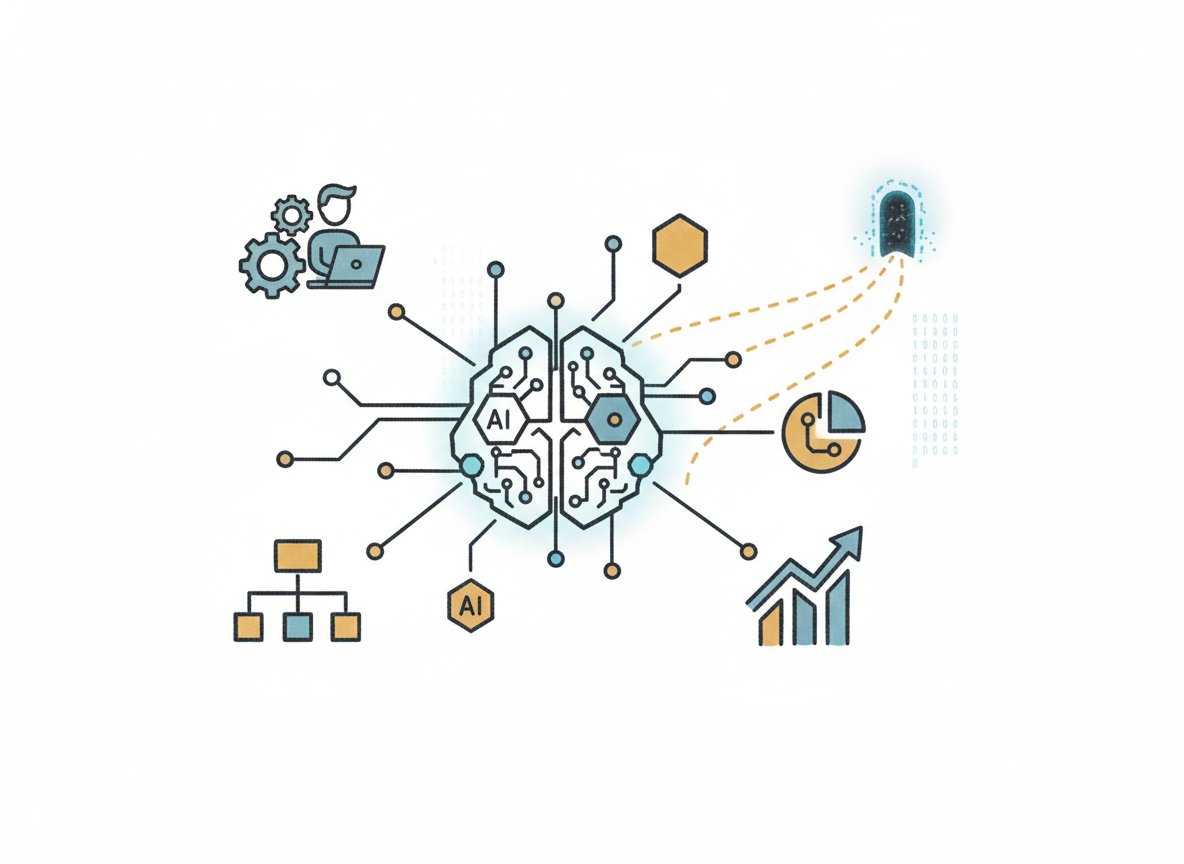
The Transformative Potential of AI
AI isn't just a fancy new tool; it's a fundamental shift in how we work. Its transformative potential is vast, impacting virtually every aspect of business operations. Let's consider some specific examples:
Automation of Repetitive Tasks: AI can automate mundane, repetitive tasks like data entry, invoice processing, and customer service inquiries, freeing up employees to focus on more strategic and creative work. For example, AI-powered chatbots can resolve up to 80% of routine customer inquiries, significantly reducing the workload on human agents.
Improved Decision-Making: AI algorithms can analyze vast amounts of data to identify patterns, trends, and insights that humans might miss. This can lead to more informed and data-driven decision-making across various functions, from marketing and sales to finance and operations. Imagine an AI system analyzing sales data to predict future demand, allowing your company to optimize inventory levels and avoid stockouts.
Personalized Customer Experiences: AI can personalize customer experiences by analyzing individual preferences and behaviors. This can lead to more targeted marketing campaigns, customized product recommendations, and more relevant customer service interactions. For example, AI-powered recommendation engines can suggest products that customers are likely to purchase based on their past browsing history and purchase behavior.
Enhanced Productivity: By automating tasks, improving decision-making, and personalizing experiences, AI can significantly enhance overall productivity. A study by McKinsey found that AI could potentially boost global GDP by 1.2% annually by 2030.
The benefits are undeniable. Companies that successfully adopt AI will be better positioned to innovate, adapt to market changes, and gain a significant competitive edge.
The Economic Imperative
The allure of AI isn't just about improving efficiency; it's also about staying competitive in an increasingly digital world. The economic implications of AI adoption are substantial, and businesses that fail to embrace this technology risk falling behind.
Projected Growth: Industry analysts predict explosive growth in the AI market. Gartner estimates that worldwide AI software revenue will reach $62.5 billion in 2022, an increase of 21.3% from 2021. This growth is driven by increasing demand for AI solutions across various industries.
Potential Benefits: A report by PwC estimates that AI could contribute $15.7 trillion to the global economy by 2030. This staggering figure underscores the enormous economic potential of AI.
The Cost of Inaction: The potential cost of not adopting AI is significant. Companies that fail to embrace AI risk falling behind competitors, missing opportunities for efficiency gains, and ultimately losing market share. Imagine a competitor using AI to personalize customer experiences while your company relies on generic, one-size-fits-all marketing campaigns. The result? Lost customers and reduced revenue.
Ignoring AI is no longer an option. It's an economic imperative.
The Disconnected Landscape: Why AI Integration is So Difficult
The Siloed Software Problem
One of the biggest challenges hindering AI integration is the prevalence of siloed software systems. Many companies use a diverse range of software tools that don't communicate effectively with each other, creating data silos and hindering the flow of information.
Common Examples: Consider the typical enterprise software landscape:
CRM (Customer Relationship Management) systems for managing customer interactions
ERP (Enterprise Resource Planning) systems for managing finances, supply chains, and operations
Project management tools for tracking project progress and managing resources
Communication platforms like Slack and Microsoft Teams for internal communication
Marketing automation platforms for managing marketing campaigns
Data Fragmentation: These disparate systems often operate independently, creating data silos that make it difficult to get a holistic view of the business. This fragmentation makes it challenging to feed accurate and comprehensive data to AI algorithms, limiting their effectiveness.
The Impact on AI: AI algorithms rely on data to learn and make predictions. When data is fragmented and inconsistent, it can lead to inaccurate predictions, biased outcomes, and ultimately, failed AI initiatives.
Legacy System Limitations
Integrating AI with older, legacy systems presents another significant hurdle. These systems may not be compatible with modern AI technologies, requiring significant investment and effort to bridge the gap.
Compatibility Issues: Legacy systems often lack the APIs and integration capabilities needed to connect with modern AI platforms.
Modernization Challenges: Modernizing legacy systems can be a complex and expensive undertaking, often requiring significant downtime and disruption to business operations.
Alternative Solutions: Companies may need to explore alternative solutions, such as API integrations, middleware, or data virtualization, to bridge the gap between legacy systems and AI.
Lack of Centralized Data Strategy
AI needs high-quality, well-organized data to function effectively. The absence of a well-defined data strategy can cripple AI adoption efforts.
Data Quality: AI algorithms are only as good as the data they are trained on. Poor data quality, including inaccurate, incomplete, or inconsistent data, can lead to inaccurate predictions and biased outcomes.
Data Accessibility: Data needs to be readily accessible to AI algorithms. Siloed data, complex data structures, and lack of data governance can all hinder data accessibility.
Data Governance: A well-defined data strategy should include data governance policies to ensure data quality, security, and compliance.
Unveiling the Roadblocks: Common AI Implementation Challenges
Skill Gap and Talent Acquisition
The shortage of skilled AI professionals is a major roadblock for many organizations. Data scientists, AI engineers, and machine learning experts are in high demand, making it difficult to attract, recruit, and retain talent.
High Demand: The demand for AI professionals far exceeds the supply, leading to a highly competitive job market.
Recruiting Challenges: Attracting top AI talent requires competitive salaries, attractive benefits packages, and a challenging and rewarding work environment.
Retention Issues: Retaining AI talent requires ongoing investment in training and development, opportunities for career advancement, and a supportive and collaborative work culture. The lack of qualified personnel can lead to understaffed AI projects, delays in implementation, and ultimately, failure to achieve desired outcomes.
Data Quality and Bias
The importance of clean, accurate, and unbiased data cannot be overstated. Flawed data can lead to inaccurate predictions, biased outcomes, and ethical concerns.
Garbage In, Garbage Out: AI algorithms are only as good as the data they are trained on. If the data is flawed, the AI will produce flawed results.
Bias Amplification: AI can amplify existing biases in data, leading to unfair or discriminatory outcomes. For example, an AI system used for loan applications might discriminate against certain demographic groups if the training data reflects historical biases.
Data Quality Control: Organizations need to implement robust data quality control measures to ensure that data is accurate, complete, and consistent.
Bias Mitigation: Organizations need to be aware of potential biases in their data and take steps to mitigate them. This might involve collecting more diverse data, using bias detection algorithms, or implementing fairness constraints in the AI models.
Integration Complexity and Technical Debt
Integrating AI into existing workflows and systems can be a complex and challenging undertaking. Rushed implementations can lead to technical debt, making it harder to maintain and scale AI solutions over time.
Complex Integration: Integrating AI often requires significant modifications to existing systems and workflows. This can be a complex and time-consuming process.
Technical Debt: Rushed implementations can lead to technical debt, such as poorly designed code, inadequate documentation, and lack of testing. This technical debt can make it harder to maintain and scale the AI solution over time.
Long-Term Costs: Neglecting proper planning and integration can result in higher long-term costs, increased maintenance efforts, and reduced ROI.
Lack of a Clear AI Strategy
Aligning AI initiatives with overall business goals is crucial for success. A poorly defined AI strategy can lead to wasted resources and a lack of measurable ROI.
Business Alignment: AI initiatives should be aligned with the overall business goals and objectives. This ensures that AI is being used to solve real business problems and drive value.
Use Case Identification: Organizations should identify specific use cases for AI that have the potential to deliver significant business benefits.
ROI Measurement: Organizations should establish metrics for measuring the ROI of AI initiatives. This helps to track progress, identify areas for improvement, and justify further investment in AI.
Stakeholder Involvement: Involving stakeholders from across the organization in the AI strategy development process ensures that the strategy is aligned with the needs of all business units.
Building an AI-Ready Foundation: Strategic Steps for Success
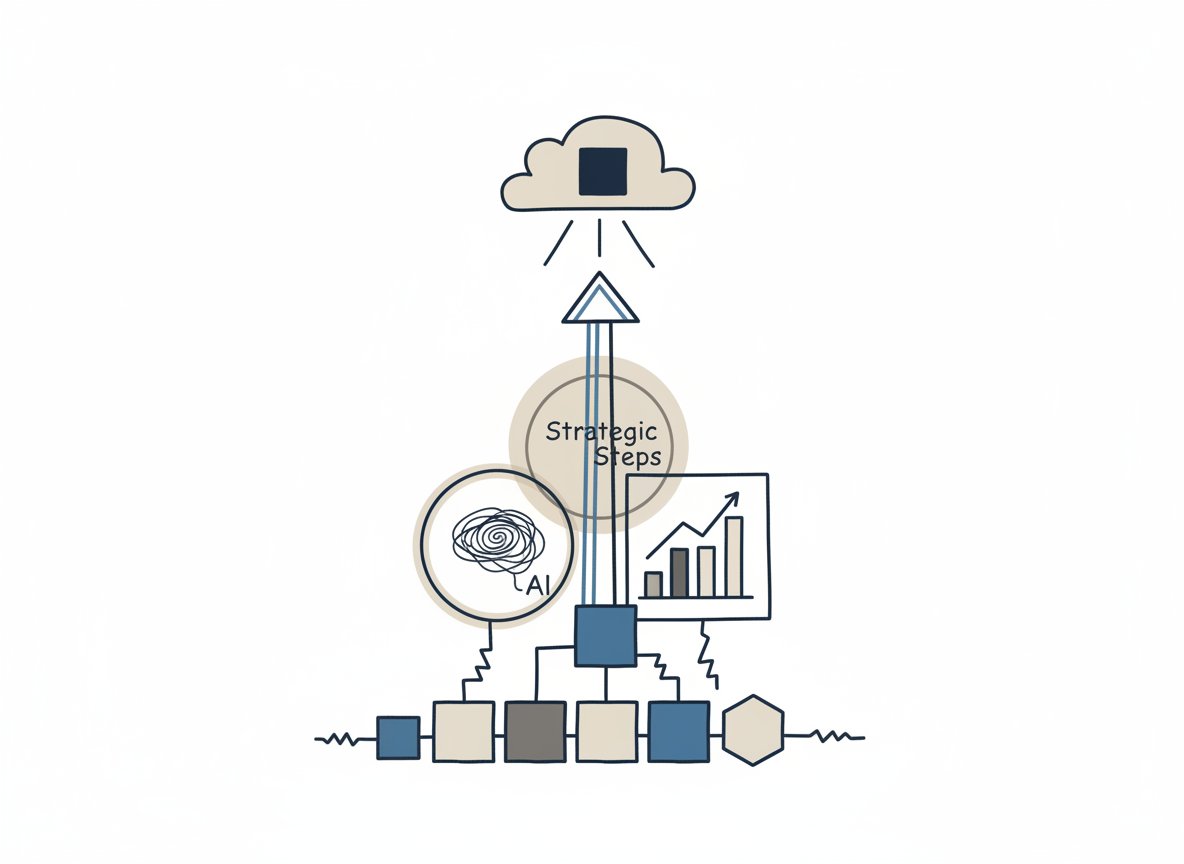
Develop a Comprehensive AI Strategy
A well-defined AI strategy is the cornerstone of successful AI adoption. It provides a roadmap for implementing AI initiatives and ensures that they are aligned with overall business goals.
Define Business Objectives: Clearly define the business objectives that AI is intended to achieve. What problems are you trying to solve? What opportunities are you trying to capture?
Identify Use Cases: Identify specific use cases for AI that have the potential to deliver significant business benefits. Prioritize these use cases based on their potential impact and feasibility.
Prioritize Projects: Prioritize AI projects based on their potential impact, feasibility, and alignment with business objectives.
Allocate Resources: Allocate sufficient resources, including budget, personnel, and technology, to support AI initiatives.
Establish Metrics: Establish metrics for measuring the success of AI initiatives. This will help you track progress, identify areas for improvement, and justify further investment in AI.
Involve Stakeholders: Involve stakeholders from across the organization in the AI strategy development process. This will ensure that the strategy is aligned with the needs of all business units.
Invest in Data Infrastructure and Governance
Robust data infrastructure and governance are essential for successful AI adoption. AI algorithms require high-quality, well-organized data to function effectively.
Cloud Storage: Invest in cloud storage solutions to provide scalable and cost-effective storage for large datasets.
Data Pipelines: Implement data pipelines to automate the process of extracting, transforming, and loading data from various sources.
Data Management Tools: Invest in data management tools to ensure data quality, consistency, and security.
Data Governance Policies: Establish data governance policies to ensure data quality, security, and compliance. These policies should cover data collection, storage, access, and use.
Data Security: Implement robust data security measures to protect sensitive data from unauthorized access.
Focus on Integration and Interoperability
Seamless integration with existing systems and workflows is crucial for maximizing the value of AI. Choose solutions that can easily integrate with your existing technology stack.
API-Driven Architectures: Adopt API-driven architectures to enable seamless integration between different systems.
Middleware: Use middleware to bridge the gap between legacy systems and modern AI platforms.
Low-Code/No-Code Platforms: Explore low-code/no-code platforms to simplify integration and empower citizen developers to build AI-powered applications.
Integration Capabilities Checklist: When evaluating new productivity software, prioritize solutions with robust integration capabilities. Consider the following questions:
Does the software offer open APIs for seamless integration with other systems?
Does it support standard data formats and protocols?
Does it provide pre-built integrations with popular applications?
Does it offer low-code/no-code integration options?
Workflow Automation: A Gateway to Seamless AI Integration
Streamlining Processes with AI-Powered Automation
Workflow automation and AI are a powerful combination that can significantly optimize business processes, reduce manual effort, and improve efficiency.
Increased Efficiency: AI-powered workflow automation can automate repetitive tasks, freeing up employees to focus on more strategic and creative work.
Reduced Errors: Automation can reduce the risk of human error, leading to more accurate and reliable results.
Improved Scalability: Workflow automation can enable businesses to scale their operations more efficiently, without adding significant headcount.
Enhanced Customer Experience: Automation can improve customer experience by providing faster and more personalized service.
Selecting the Right Productivity Software for AI Integration
Choosing the right productivity software is crucial for successful AI integration. Evaluate solutions based on their AI capabilities and integration options.
AI Capabilities: Consider the AI capabilities offered by the software, such as machine learning, natural language processing, and computer vision.
Integration Options: Evaluate the integration options offered by the software, such as APIs, pre-built integrations, and low-code/no-code integration platforms.
Scalability: Ensure that the software can scale to meet your growing business needs.
Security: Choose software that offers robust security features to protect your data.
User-Friendliness: Select software that is easy to use and intuitive for your employees.
Use Case Examples
Here are some practical real-world examples of how AI-powered workflow automation can be used to solve specific business problems:
Automated Invoice Processing: AI can automate the process of extracting data from invoices, validating information, and routing invoices for approval.
AI-Driven Customer Support: AI-powered chatbots can handle routine customer inquiries, freeing up human agents to focus on more complex issues.
Intelligent Document Routing: AI can automatically route documents to the appropriate recipients based on their content and metadata.
Predictive Maintenance: AI can analyze data from sensors and other sources to predict when equipment is likely to fail, allowing for proactive maintenance.
Addressing the Human Element: Change Management and Training
Overcoming Resistance to Change
AI adoption can be met with resistance from employees who fear job displacement or are uncomfortable with new technologies.
Open Communication: Communicate openly and transparently about the benefits of AI and how it will impact employees.
Education: Educate employees about AI and how it works. Explain how AI can help them do their jobs more effectively.
Reassurance: Reassure employees that AI is not intended to replace them, but rather to augment their capabilities.
Involvement: Involve employees in the AI implementation process. Ask for their input and feedback.
Investing in AI Skills Development
Providing employees with the training and support they need to work effectively with AI is essential.
Online Courses: Offer online courses to teach employees about AI and how to use AI-powered tools.
Workshops: Conduct workshops to provide hands-on training on AI-related skills.
Mentorship Programs: Establish mentorship programs to pair experienced AI professionals with employees who are new to AI.
Internal Resources: Create internal resources, such as documentation and tutorials, to help employees learn about AI.
Fostering a Culture of AI Innovation
Encouraging experimentation and collaboration around AI can help to foster a culture of innovation.
Encourage Experimentation: Encourage employees to experiment with AI and try new things.
Promote Collaboration: Promote collaboration between different teams and departments.
Share Ideas: Create opportunities for employees to share ideas and learn from each other.
Recognize and Reward: Recognize and reward employees for their contributions to AI innovation.
Conclusion
The journey to fully realizing the potential of AI in the workplace is not without its hurdles. We've explored the key AI implementation challenges: siloed systems hindering data flow, the critical skill gap, the imperative of maintaining data quality, the complexities of system integration, and the often-overlooked need for a clear AI strategy. These challenges are significant, but they are not insurmountable.
Remember, the transformative power of AI—its ability to streamline workflows, enhance decision-making, and personalize customer experiences—makes overcoming these challenges an imperative for any organization seeking to thrive in the future of work. By embracing a strategic approach, investing in robust data infrastructure, prioritizing seamless integration, and empowering your workforce, you can bridge the AI Gap and unlock the full potential of this powerful technology.
While the path to AI adoption may be complex, it's a journey worth undertaking. By addressing the challenges outlined in this article, organizations can unlock the full potential of AI and transform their businesses for the future.
Ready to take the next step in your AI adoption journey? Download our free white paper on "Building an AI-Ready Data Foundation" to learn more about how to prepare your data for AI success! [link]